Showing posts with label Good Practice Examples. Show all posts

2017/07/31

Proposal for an optional curricullum

A Piece of European Treasure

I. Curricular areas involved :

1.Languages and communication (national languages, English)
2.People and society (history, geography, biology,ecology,religion)
3.Arts.Technology (ICT)

II. Argument

One of the main values that guide human life in the era of globalization is creating a favorable environment for a sustainable development based on the balance between man and nature, the harmony between social needs and economy and cultural activities.

This proposal for an optionally curriculum is inspired by the activities developed during implementation of the Comenius 2008-2010 multilateral project "European Journey through Legends" developed under the European LLP programme frame. This curriculum is a highly interdisciplinary one, and can be used for expanding students' knowledge in natural sciences, geography, history, civics,  Romanian, Polish, Greek, Turkish, Italian, Spanish but also English language and literature, art, and technology. The proposed activities are practical, and those allow to combine physical labor with intellectual development and contribute to the moral, aesthetic and vocational development of students.

Human impact on the environment must be determined by the idea of maintaining balance in nature. In this sense, knowledge of the landscape is important as a basic feature of this interaction. By focusing on this issue we will contribute to knowledge, to preserve and to sustain the development of European landscapes. In terms of teaching the landscape is very interesting  and can be used as a source of a modern and interdisciplinary approach.

The opportunities to enact feelings, human emotions and to arouse children's fantasy and creative spirit, make them actively participate in educational activities, are endless. For child this is a fun, but for an adult this is an opportunity to watch how the child's personality develop, an opportunity to stimulate and to influence the development of his personality. 

The artistically moments prepared and played during the activities of this curriculum can contribute to educating the feelings of friendship, the spirit of mutual assistance, the perseverance, honesty, initiating students as the filmmakers/ actors/ spectators. Working in teams, students will develop and will show their inclinations and skills,  will gain confidence in their capabilities. Talking in terms of personality,children can be known who they are, they can change themselves, (re)form and complete each others. 

This curriculum's aims are the training of children to have a wide general knowledge, to be able to understand the world around them, to communicate and to interact with peers by expressing thoughts, moods, feelings, opinions, to be sensitive and to use effectively their creative skills, to be able to preserve and to create beauty around them. 

III. General competences:


  • Preservation of European heritage through developing the artistically skills of pupils into a non-formal educational environment.
  • Valorisation of European cultural treasure through acknowledging the bio-geographical and historical reality
  • Improving the pupils abilities to preserve or enhance the natural environment facilitating pupils’ implication into ecological activities and to developing a positive attitude regarding ecological issues
  • Increasing pupils’ tolerance for the cultural, historical, religious and linguistically diversity 

IV.Values and Attitudes

  • Develop interdisciplinary skills for systematization of information;
  • Awareness of cultural identity and membership in the European community and broadening students' horizons by opening of the world;
  • Training of the spirit of active citizenship and of belonging to common European values;
  • Improving the skill of teamwork.
  • Open to current problems of Europe and the world that concerns the social dimension, its cultural and development, playing a role in decisions at community level, forming a responsible civic attitudes towards elements of environmental degradation in the local community. 

V. Content table/ lessons units 

1. Myths and mythology
  • Let's talk about myths
  • Greek mythology
  • European mythology: Zeugma, Romanian Mythology
Evaluation session: Where are you myths?
Reflection session: Diet and Myths
2.European historical legends
The legends of European buildings, places
  • The legends of the fortresses Șoimoș, Șiria, Dezna
  • The legends from Urfa
  • The legend of Gaziantep Castle
Women in history
  • Matilde din Canossa
The outlaws' justice spirit
  • Serralonga
Legend vs. reality
  • Dracula
  • Boruta
  • Legend About King Popiel
Faith and destiny
  • Saint Cugat story
  • La Morenetta- the Black Virgin story
  • The legend of Saint George
  • The story of Abraham
The legends of national flags
  • The Polish White Eagle
  • The Legend of Catalan Flag
  • La Citta del Tricolore
  • The legend of Romanian Tricolour
  • The story of Turkish Flag
    Evaluation session: Connecting the past with the future 
     3. European Bio-geographical Legends
    The legends of the landforms
    • The myth of the creation of mountains and of the forests
    • The Retezat Mountain Legend
    • The Legend of Mount Găina
    • The Legend of Scărișoara Cave
    The legends of the waters
    • The legend of Rivers Mureș and Olt
    • The legend of Red Lake 
    The legends of the towns
    • The Warsaw Siren
    • The story of the Momac Fountain
    • Miss Piotrkowska
    The legends of the being
    • The legends of bee and of the spider
    • The legend of violet
    • Aesop's myths
    • Miorița
      The spirits of the lands
      • The Vâlva
      • The Water Ladies
       Evaluation session : Folklore and environment
       4. European Tales, European Folkstories and European traditions

      The drawer with tales and stories
      • Ferhat and Şirin
      • Mrs. Twardowska
      • Azurina
      • Nasreddin Hodja
      Traditions - priceless values of local and European culture
      • The newborn 3 fates
      • Mărțișor
      • Dragobete
      • The Merry Cemetery
      • The story of the bread of Pecica
      • The Maiden Fair on Găina Mountain
      • The story of a lifetime: The Ethnographic Museum of Flutur Family
      • Caroling across Europe
      • Nazar Boncugu
        Evaluation session : Once upon a time in Europe


        VI. Methodology 

        The activities will be organised as a non-formal and multi-subjects teaching, based on the projects’ method, through extracurricular activities such as trips, didactic visits, cultural activities. The idea of the curriculum  is based on the project developing approach.

        Through this curriculum it could be possible to  enhance pupils' knowledge about national and European culture, history and geography by stimulation of motivation of learning through a non-formal topic learning. The pupils will be challenged to find and to relive the legends, myths and folklore stories. They will have to make essays about the topics proposed to be researched during the project implementation. The lessons will be organised in a such way to achieve all proposed objectives, and the pedagogical approaches will be drama games, role play and improvisation. During the activities from this curriculum it could be possible to organize recreated and socialization’s activities, in order the students would spend their free time in collaboration with school (visiting local touristy objectives, trips). The parents and the local community’s members will participate into these activities. Education in/and for modern age has set up a whole new set of challenges. Tested and time proven methods of education had to be replaced with something much more dynamic. New technologies break all barriers – social and geographical and demand of education systems to revise its practices. We will organized active lessons in schools and between partners’ schools by using ICT tools. Revising of the point of view above of the preserving or enhance of the environment will be done by addressing those problems:
        • Improving pupils’ knowledge regarding the environment protection
        • Keeping and preservation of the natural’s resources
        Through diverse and adventurous outdoor lessons we intend to increase pupils’ interest for the nature, to promote a civilized tourism with the preservation of environmental equilibrium, respecting ecological criteria. During outdoor lessons, the pupils will be aware of the problems regarding the preservation and amelioration of the polluted areas into clean places.

        Evaluation (assessments) will be done in an innovative way, in a non-formal framework through the staging of knowledge acquired by students during the study themes proposed in this curriculum. In addition, students will have to develop the (digital) portfolio of each of the four projects:
        1.Myths and mythology
        2.European historical legends
        3.European Bio-geographical Legends
        4.European Tales, European Folkstories and European traditions
        More information about the pedagogical approaches: - click here

        VII. The Digital Textbook: - click here

        VIII. Webography:
        http://euro-schools.blogspot.com/
        http://six4europe.webs.com/vdc.htm
        http://portofoliionline.webs.com/

        2015/12/18

        BROKEN BARRIERS - ONLINE COLLABORATION

        Romanian  and Greece succeed to break the space barriers between them. Our students were sitting in the same classroom , even this classroom was a virtual one.


        SUBJECT: HISTORY ONLINE LESSON
        TOPIC: “ROMANIA INTO THE GREEK BOOKS”
        Target of the lesson: 40 students
        Age: 16-17 years old
        Time: 50 minutes

        Aims of the lesson:

        • To learn about the Romanians' history
        • To share new knowledge to Greek partners
        • To apply a new kind of teaching through ICT
        • To encourage students to present their opinions in English
        • To practice different learning approaches (storytelling, learning through drama, outdoor education, learning using ICT tools/technique)
        • To work in a group
        • To socialize in a group
        • To make students more responsible for their actions
        Draft of the lesson:

        1-5 min : Saying hello and names of the participants-showing with the camera the place around
        6-8 min : About idea why those lessons through ICT technology are needed in our program
        9-10 min : Explain the choice of history as a work case
        11-25 min : The Romanian National Day
        26-35 min : Romania (land and people) in Greek history books(last 3 grades)
        36-40 min : Questions and answers
        41-42 min : Greek conclusion
        43-44 min : Romanian conclusion
        45 min : Appointment for April after the Greek national day with the Romanian presentation of Greece in your history books.
        46-50 min : Saying Goodbye

        Technique:


        (right click on image --> open link in new window)

        Final Products:
        • Discussions
        • PowerPoint presentation
        • Joy :)


        Romania-Greece, December 10th 2009


        Romanians'Presentation


        Greeks' Presentation


        How it really was?

        Part I


        Part II


        Part III


        Part IV


        Dedication


        written by Camyk and Zaharias

        2015/11/21

        LESSON PLAN OF THE EXAMPLE OF OUTDOOR EDUCATION

        SUBJECT: LESSON OF ART IN LODZ

        TOPIC: “MANUFACTURE IN ART THROUGH THE EYES OF STUDENTS”

        Target of the lesson: 20 students

        Age: 15-16 years old

        Time: 4 hours

        Aims of the lesson:
        - To encourage students to draw
        - To learn different drawing and painting techniques
        - To practice different art techniques
        - To learn the architecture of the hometown
        - To work in a group
        - To socialize in a group
        - To make students more responsible for their actions
        Draft of the lesson:
        • Introductory lesson explaining different art techniques and explain what the techniques are characteristic for:

        • a) Computer
        • b) Crayon
        • c) Pencil
        • d) Paint
        • e) Watercolour
        • f) Coal
        • g) Collage
        • h) Pastel pencil
        • Division of the students into 7 groups and share the task. Each group is responsible for drawing a chosen fragment of architecture using different techniques.
        • Prepare and collect all the materials: papers, pencil, paint, coal, crayon, collage.
        • Students visit the shopping centre in Lodz – “Manufactura” which is known for its architecture. They are shown with a chosen aspect of the architecture, which should be presented on paper using different techniques.
        • All pictures are joined to make a panoramic view of Manufactura Centre.

        Final Products:
        • Discussions
        • Posters
        • PowerPoint presentation
        EXAMPLES OF STUDENTS' WORK:


        ~~~~~~~~~~~~~


        2015/11/10

        FIELD TRIP : "HOW TO MAKE A GREEN TRIP?" (I)

        ~GOOD PRACTICE EXAMPLE~

        ARGUMENT

        The main challenge of our world today is to learn living together and in harmony with our environment on a planet where resources and space are limited. To meet this challenge it is important to discuss a global vision of the “world” in which we want to live thinking in the long-term and acting responsibly. A teaching method that could be described as a “big experience” or “big simulation” is the field trip. A nature walk with a treasure hunt or a visit to a factory is an experience; a trip to a museum that depicts historical events and artifacts is a simulation - one is not actually going back in history.

        Field trips have some value simply because they provide variety in the learning environment. Sometimes the teacher and students need to get out of the classroom just to get a broader perspective of education. For example, one of the best ways to stimulate writing in children is to go for a walk and then ask the students to write a description of the surroundings.

        The activity “ How to make a green trip” had two aims:

        • to promote the local identity of the town through the benefit of a life experience, through cooperation , and cultural dialogue about the local values.
        • to practice the pedagogical approaches which were studied along the first year of the project.

        The activity took place in our school during the European Day of Modern Languages. This gave us the opportunity to integrate this activity into an international and intercultural context. This outdoor educational activity called “ How to make a green trip?” is a natural following of the work session “ How green are you?” that took place in Poland. In this activity students were stimulated to look into the ecological problems of the area they live in. They also had to present a legend, a myth or a story which emphasizes the cooperation between man and nature . During the trip, one of the aims was the creation of a story which combined both fantastic elements and real ecological problems of the area.

        The activities held on the course of the day followed the pattern of a “learning trip” which had the following route: Pecica – Bezdin - Pecica. The activities had to fulfill the four main aims of the Comenius project which has the following theme: “European Journey through Legends”:
        • O1. Understanding cultural diversity from schools and living life;
        • O2. Developing the natural gifted/skills of pupils
        • O3. Improving teaching methods and evaluation methods through ICT
        • O4. Improving the pupils’ ability to preserve or enhance the natural environment.
        To reach the first objective O1 the organization and accomplishment of some of the socialization activities had as a purpose the development of tolerance for :
        • age diversity - mixed teams were created from students of different ages( 6th grade and 11th grade)
        • language, ethnical diversity - specific activities had a contribution to strengthen the relationships through students of different ethnics: Romanians, Hungarians, Romany, Germans, Slovakians
        • historical diversity - at the two sessions from the Cultural House and Momac fountain different aspects of the local history have been presented
        • religious diversity - during the trip different religious sights from the town of Pecica were presented.
        The first objective O1 also had the aim to make students aware of the importance of the local cultural and historical legacy. Thus a series of work sessions presented customs and traditions connected to the Momac fountain, the former bathing-establishment, the traditional local gate and the Romanian folk costumes and dancing. Romanian legends, myths and stories were emphasized through the three plays which had the following themes: ”the Water spirit, the Forest spirit and the Faith spirit”.

        The second objective O2 was fulfilled through the discussion topics regarding
        • the atractivity of school enhancement- by organizing this trip as an interdisciplinary activity, which is part of the curriculum as a new format of the counseling hour.
        • the involvement of parents in the life of the school by preparing food for the students who were going to cook traditional Romania food; and that of the local communities such as the director of the Cultural House, news staff, clerical staff, town hall staff, during the activities students were involved in
        • students’ creativity was encouraged through drawing expositions, posters in the nature.
        To accomplish the third objective O3 it was used an interactive approach; the necessary material support were prepared ahead, by using IT&C materials. The dynamic of the lesson was given by the combination of the three pedagogical approaches studied along the first year of the project: learning through drama, the usage of ICT tools and materials and outdoor education.

        These activities led to a better communication both horizontally (student-student; teacher- teacher) and vertically (student-teacher; student- local community) between all the participants to the learning trip. The activities related to the 4th objective O4 developed the students and teachers’ conservation and environmental protection skills. Outdoor exercises led to the acknowledgement of some cleanliness and environmental esthetics problems. The beauty of the places they have visited that day made all of the participants desire to play an active part in the conservation of the natural environment.

        THE EVALUATION OF THE LEARNING TRIP:

        If we take into account what Schaub and Zenke’s “Pedagogy Dictionary” is saying about evaluation, its definition would be: “the collecting, good use and learning of the information resulting from the learning process”. Both the learning process and the revision takes place in nature.

        The revision is considered a way through which the teacher checks the student’s level of knowledge and the development of skills tested through the usage of different methods suitable to the “target goal”. The evaluation methods can be classified in :
        • Traditional evaluation methods ( classic)
        • Alternative evaluation methods (modern)
        Due to the fact that the learning process used alternative learning techniques such as outdoor education, dramatization, and IT&C skills, it is obvious that the evaluation also has to use alternative methods. Thus the following evaluation methods were used:
        • Small rewards ( candies, biscuits, pens, chestnuts, leaves) are given as prizes to students who answer correctly at the frontal evaluation: if a member of a team gives the wrong answer or if he doesn’t know the correct one , the team has to give back one of the prizes they have previously won. A1& A2 are evaluated this way.
        • The working sheet: which evaluates the cooperation, investigation and examination, spatial orientation skills
        • The map: through it one can verify the discovery of the marked spot on the map, fact which assumes the existence of some orientation skills and a good knowledge of the town
        • Outdoor exposition: which seeks the development of artistic, practical and linguistic skills
        • Telling/acting a story: which as an aim the development of acting skills and also the good cooperation among the members of the community
        • Expectation sheet - it is also an evaluation method , both for the beginning and ending of the activities which take place during the entire day. At the end of the day each student is asked to read a note with expectations which was written in the morning. Thus the pupils understand that their expectations were outshined by reality, which tells the teachers that the trip was a success.
        • The special copy-book - aims to revise individually the whole activity unfolded through this learning trip.
        • The portfolio of the trip: it’s a tool which evaluates the teachers involved in this activity. This portfolio contains:

        • the plan of the trip
        • essays about the learning methods applied along the trip
        • expectations sheet
        • photos, posters, collages made by children
        • an interview
        • the special copy-book
        • the maps
        • the sheet for the outdoor activity
        • the booklet of the activity
        • other materials
        It must be emphasized that if we take each activity as a single unit as we did in the previous presentations, we no longer have a coherent, homogeneous and consensual process. At this moment the role of the teacher steps in- who is above all a modeler, and then an evaluator – one who chooses the proper evaluation methods for each didactic situation and one who makes everything possible to create a coherent, homogeneous and consensual evaluation system.

        (~The End of part I~)

        written by Camy, Simo and Ioana

        FIELD TRIP : "HOW TO MAKE A GREEN TRIP?" (II)

        ~GOOD PRACTICE EXAMPLE~

        THE PLAN OF THE LEARNING TRIP PECICA- BEZDIN-PECICA ROUTE


        1. The theme of the learning trip: “ How to make a green trip?”
        2. The timetable of the learning trip:


        9: 00 – Meeting if front of the school
        9: 30 – The departure from the school
        10:00 – Meeting with the representatives of the Culture House of Pecica
        11:00 – Meeting with the representatives of the local community at the Momac fountain
        11:30 – Outdoor exercise- “observe and note!”
        12:00 – Outdoor exposition
        13:30 – “A cruise with the raft on the Mures river”
        15:00 – Outdoor Workshop
        16:15 – Interview at Bezdin Monastery
        18:00 – Leaving Bezdin Monastery
        19:30 – Cooking outdoor Dinner
        21:00 – The end of the learning trip


        3. The unfolding of the activities

        A1- “ICE BREAKING”

        THE DESCRIPTION OF THE ACTIVITY
        • At 9:00 o’clock in the morning the two classes meet in front of the school (6 and 11 grade): teachers check the attendance and give the students the briefing regarding the behavior and safety norms which they need to follow during the entire learning trip. (click here)
        • The organizer teachers present the students the aim of the trip.
        • Students receive badges and ICE BREAKING GAMES unfold
        • Students write their expectations on the Expectation Sheet.
        • The students were distributed in three groups: "DOGS", "CATS" and "CHICKEN". Each team has to find their flag, choose a leader (an 11 grade pupil) and a mascot (a 6 grade pupil).
        • Each team receives its task: until they reach the park they have to compose the hymn of the team.
        OBJECTIVES
        • To develop their socialization skills within an uneven group( students of different age)
        • To develop the organization ability of the group they are part of.
        MEANS:
        • Human Resources: the organizing teaching staff, students
        • Materials: carton, coloured pencils ,decorative stamps, decorative staples, decorative scissors, laminating foil, laminator, markers, coloured paper, sticks, block notes, glue, pens, clipboard, A4 sheets of paper, copier, prizes ( candies, biscuits, pens, shell nuts, leaves, pebbles )
        TARGET GROUP : The students and the teachers

        TIMING: 30 minutes

        RESULTS AND FEED-BACK : The formation and organization of the 3 groups

        EVALUATION
        • Frontal
        • Expectations sheet

        A2- “ THE KNOWLEDGE OF THE LOCAL HORIZON AND ITS IMPORTANCE”

        THE DESCRIPTION OF THE ACTIVITY:

        By the time the group reaches the first destination they have received in Activity 1 such as the “Children’s Park”, several local sights are presented and visited : The Catholic Church, The Baptist Church, “Dragos” School, The Basket Factory, The Cultural Centre, “Ghiutoaie” School, “ At Mimi’s” Sweet-shop, The Serbian Church, “Momac” fountain. Every correct answer was rewarded.

        OBJECTIVES
        The students have :

        • To develop their knowledge about different institutions and representative monuments of Pecica
        • To develop their interest to discover traditions and customs of the area ( folk dancing, folk costumes, trades, going to collect water, weaving baskets, going to church)
        • To respect the believes and opinions of the people around them
        • To be aware of their position within the group and the community
        • To be aware of the importance of conserving the local, national and European cultural legacy.
        MEANS
        • Human Resources: the organizing teaching staff, students
        • Materials: carton, coloured pencils, decorative stamps, decorative staples, decorative scissors, laminating foil, laminator, markers, coloured paper, sticks, block notes, glue, pens, clipboard, A4 sheets of paper, copier, prizes ( candies, biscuits, pens, shell nuts, leaves, pebbles )

        TARGET GROUP: The students and the teachers

        TIMING: 2 hours

        RESULTS AND FEED-BACK
        In the next days the students will:
        • Write essays, articles about the town of Pecica
        • Make a photo album containing pictures from Pecica
        • Make a power point presentation of the town
        EVALUATION: Frontal


        A3- “ OBSERVE AND WRITE”- OUTDOOR ACTIVITY

        THE DESCRIPTION OF THE ACTIVITY

        Each team shall sing/acting/mime their anthem/hymn. In 10 minutes, each team will solve the quiz from the sheet. Teachers will asses all teams’ sheets. They will establish the winners after another quiz regarding students’ knowledge about the regional words and regional types of food. After that there will be formed 2 new teams. Each team will have new tasks: each team must find a marked places, based by a map reading.

        OBJECTIVES
        Students will have to:
        • To discover and emphasize their artistic skills in order to develop their personal creativity
        • To develop their collaboration skills and also the distribution of tasks
        • To develop their investigation skills
        • To improve their ability to read a map
        • To develop their spatial orientation skills by using a map
        • To improve their foreign language skills
        • Students , teachers, parents and the local community will have to become more open to outdoor education
        MEANS
        • Human Resources: the organizing teaching staff, students
        • Materials: carton, coloured pencils, decorative stamps, decorative staples, decorative scissors, laminating foil, laminator, markers, coloured paper, sticks, block notes, glue, pens, clipboard, A4 sheets of paper, copier, prizes ( candies, biscuits, pens, shell nuts, leaves, pebbles )
        TARGET GROUP: The students and the teachers

        TIMING: 30 minutes

        RESULTS AND FEED-BACK
        • The hymn of every team
        • In the next days the students will make a map with all the objectives they have encountered during the learning trip
        EVALUATION
        • Frontal
        • Expectations sheet
        • The special copy-book (click here)

        A4- OUTDOOR EXPOSITION

        THE DESCRIPTION OF THE ACTIVITY:
        Groups of 2-3 children present their posters and promotional materials they have made in the previous days. The aim of this presentation is to promote the Bezdin monastery.

        OBJECTIVES: Students have to develop their artistic and linguistic skills

        MEANS:
        • Human Resources: the organizing teaching staff, students
        • Materials: carton, coloured pencils ,decorative stamps, decorative staples, decorative scissors, laminating foil, laminator, markers, coloured paper, sticks, block notes, glue, pens, clipboard, A4 sheets of paper, copier, prizes ( candies, biscuits, pens, shell nuts, leaves, pebbles )
        TARGET GROUP : The students and the teachers

        TIMING: 1 hour and 30 minutes

        RESULTS AND FOLLOW-UP: Students have an outdoor exposition before their journey on the raft

        OBSERVATIONS: Weak points: the poor hygiene of the area


        A5- “ ADVENTURES ON THE MURES RIVER”- A cruise with the raft on the Mures river


        THE DESCRIPTION OF THE ACTIVITY
        The students are going to look for different flora and fauna species on the other side of the river
        OBJECTIVES
        • To identify flora and fauna species
        • To understand the importance and the necessity of the environmental conservation
        MEANS:
        • Human Resources: the organizing teaching staff, students
        • Materials: carton, coloured pencils , decorative stamps, decorative staples, decorative scissors, laminating foil, laminator, markers, coloured paper, sticks, block notes, glue, pens, clipboard, A4 sheets of paper, copier, prizes (candies, biscuits, pens, shell nuts, leaves, pebbles )
        TARGET GROUP: The students and the teachers

        TIMING: 2 hours

        RESULTS AND FOLLOW-UP: Students will pick up different natural items which will be put in the treasure-box

        EVALUATION
        • Frontal
        • Special copy-book
        • Posters, photo albums, collages and advertisements


        A6- “GREEN PECICA, GREEN ROMANIA, GREEN EUROPE” - OUTDOOR WORKSHOP

        THE DESCRIPTION OF THE ACTIVITY:

        The students are organized in three teams (new teams) : The spirit of the forest”, “The spirit of the water”, “ The spirit of faith”. Each team receives an envelope which has as a task to create a story with a specific theme. To emphasize their affiliation to a certain team, the students received a sticker on their cheek.

        A dissemination session of the activities unfolded during the Comenius project ( Comenius- Sweden , Comenius multilateral partnership) takes place. Activities with ecological thematic which were part of the projects previously mentioned are presented and shared along with the personal experiences of the participants at the meeting in Poland. This meeting is part of the multinational partnership “ European Journey through Legends”
        OBJECTIVES:

        • Students have to create and interpret the stories
        • Students are active participants at every activity
        • Students have to revise the environmental problems and identify active measures to solve those problems.

        MEANS:
        • Human Resources: the organizing teaching staff, students
        • Materials: carton, coloured pencils ,decorative stamps, decorative staples, decorative scissors, laminating foil, laminator, markers, coloured paper, sticks, block notes, glue, pens, clipboard, A4 sheets of paper, copier, flags with European countries
        TARGET GROUP: The students and the teachers

        TIMING: 1 hour

        RESULTS AND FOLLOW-UP
        • The Story- its interpretation will be done at school the next day
        • The students will manufacture an advertisement presenting “ The green trip” theme which will be exposed on the school’s hallway.


        A7 - OUTDOOR INTERVIEW


        THE DESCRIPTION OF THE ACTIVITY:

        The students take an interview to the nun from Bezdin monastery. They gather historical, spiritual and cultural data using authentic written and unwritten sources.


        OBJECTIVES:
        • To emphasize the importance of discovering and conserving the local, national and European cultural legacy.
        • To develop their ability to dialogize with a personality.
        MEANS:
        • Human Resources: the organizing teaching staff, students, monastic personal
        • Material Resources : camera, video camera, block notes, pens
        TARGET GROUP: The students and the teachers, local community, local authorities.

        TIMING: 1 hour

        RESULTS AND FOLLOW-UP: The interview- written and filmed


        A8 - “LIVING ROMANIAN’S TRADITIONS”


        THE DESCRIPTION OF THE ACTIVITY
        The students are going to cook an outdoor traditional Romanian meal

        OBJECTIVES:
        • Students have to inform themselves in the matters of outdoor traditional cooking
        • Students learn how to survive in a natural habitat
        • Students learn about personal, group security and how to protect the environment
        • Students become aware of the fulfillment of the objectives discussed at the beginning of the trip.
        MEANS:
        • Human Resources: the organizing teaching staff, students
        • Material Resources: garbage bags, barbecue sticks, knives, forks , bacon, onion, cheese, bread, apple, water, napkins, matches.
        TARGET GROUP: The students and the teachers, local community, local authorities.

        TIMING: 2 hour

        RESULTS AND FOLLOW-UP:
        • Cooked food
        • Fun :-)


        CONCLUSION


        This experience illustrates some valuable lessons from outdoor education. It demonstrates that good education is holistic; it is concerned with mind, body and spirit. motivation and enthusiasm are essential ingredients of effective learning. Adventure is a great motivator. Time spent alone or in small groups in natural areas also motivates. Young people who under-achieve in the classroom may suddenly come alive and show a range of skills that have remained hidden in formal teaching.

        We think Outdoor Education could play a vital role in educating tomorrow's citizens. We are working in a field where we constantly experience success. Many young people who fail in school, fail at home and sometimes fail amongst their friends will succeed in the outdoors. There is an opportunity to inspire, to break a mould, to offer alternative views and begin to change attitudes.

        written by Camy, Simo and Ioana

        2015/01/25

        Around The World in Thirty Minutes

        I think this lesson  could be easily adapted to the study of different legends and customs  of a country. There can be also a variation that addresses history over time. The lesson uses pantomime skills, research skills, and information sharing, as well as knowledge of the subject matter. This is a basic teacher-in-role exercise. This plan has been written  in the form of a narrative-a description of the class-rather than giving you step-by-step instructions, because it makes better sense. Every teacher has her or his own style.

        Preparation

        I told my students the name of the lesson--"Around The World in Thirty Minutes." I explained that we would shortly be enacting a worldwide tour of the world. I asked each student to choose his favorite country or continent. I told them that they would be pretending to be someone or something in that country. I, and a friend, would be making the tour of the world, and in each country we visited, the students in that country would pretend to be animals, people, or things that a visitor in that country would be likely to see.

        Many of the students chose countries about which they knew little. Some chose countries they have learnt about through the Comenius Project. Some chose places that just sounded exciting. But the long and short of it was that some of them didn't know what a tourist would be likely to find in the country of their choice. That was exactly what I had hoped would happen. We had a class discussion about the problem. Each student in turn told the group what country or continent he had chosen, and I asked if anyone knew what kinds of things might be found there. In many cases, the student's classmates had great suggestions. But some of them had chosen countries nobody knew much about. So I brought out some reference books and we also used internet resources. (I have an excellent children's atlas, which includes maps with pictures of animals, landmarks, industries, etc that the students loved looking at.) The group researched the countries enthusiastically, and after about ten or fifteen minutes, every student had decided what or who he/she was going to pretend to be.

        The Trip

        I arranged the students around the classroom. Some countries were represented by more than one student (especially the ones from The Comenius Group), but that was fine. Each country or continent had its own place in the room. I explained that it would be impossible to travel to all the countries in thirty minutes, if it were not for my Supersonic Transport. (I used a wheeled swivel chair.) I brought out a Muppet-style puppet which I use in other lessons. I explained that "Oliver" and I would be making the trip together. (Obviously one could do this lesson without the puppet.)

        I sat in my chair and wheeled myself and Oliver to the first country. The puppet and I Ooohed and Aaahed at the sights we saw there. Usually I was able to correctly guess what the students were pretending to be, but when I wasn't, they were not offended, and were quick to give me hints until I did. After I had finished in the first country, I asked the students which other country was the closest. They had to think about this one, but we always came to a decision. In this way they learned and used their knowledge of geography. Sometimes I had to help. Once we decided which country was closest, I moved on to that country and continued in this way until I had visited everybody. Then I "came home."

        Discussion( feed-back)

        After the trip was over, we sat in a circle, and I asked each student to mention one thing he learned that he hadn't known before. Every one was able to come up with something.
        This lesson worked extremely well.

        Time-Travel Variation

        I haven't tried this, but I think it would work: Instead of traveling from country to country, we would travel from time period to time period or travel from legend to legend in different countries. The people in each period could interact with the travelers--who could be students, rather than the instructor--as much or as little as time and the sophistication of the students allowed.


        written by Ioana

        2009/08/24

        EXPERIENCING OUTDOOR EDUCATION IN ITALY

        The main challenge of our world today is to learn living together and in harmony with our environment on a planet where resources and space are limited. To meet this challenge it is important to discuss a global vision of the „world” in which we want to live thinking in the long-term and acting responsibly.

        Outdoor education has been defined in a variety of ways throughout its history. L. B. Sharp (1943), one of the earliest advocates of camping education, offered the following rationale for outdoor education: "That which can best be taught inside the schoolrooms should there be taught, and that which can best be learned through experience dealing directly with native materials and life situations outside the school should there be learned".

        Originally, outdoor education was used mostly for nature study. Today, it includes outdoor experiences designed to meet objectives in many areas. For example, a teacher could take students outside to measure objects on the schoolyard for a mathematics lesson, or to a fire station to study an aspect of the local community. As these examples show, outdoor education appears to have emerged as a "context" for learning. Although environmental education can trace its lineage, at least partly, to outdoor education, it is considered a distinct field. The goal of environmental education is to develop a world population that is aware of, and concerned about, the environment and its associated problems, and which has the knowledge, skills, attitudes, motivations, and commitment to work individually and collectively toward solutions of current problems and the prevention of new ones.

        Outdoor education follows the experiential philosophy of learning by doing. It takes place primarily, but not exclusively, through involvement with the natural environment. In outdoor education, the emphasis for a subject of learning is placed on relationships concerning people and natural resources. The outdoor environmental education it is also one of the main goals of the Comenius Project, which we tried to achieve through our journey to Italy. We had the opportunity to learn more about the history of this beautiful country, especially by the trips to some impressive historical buildings very well preserved for centuries.

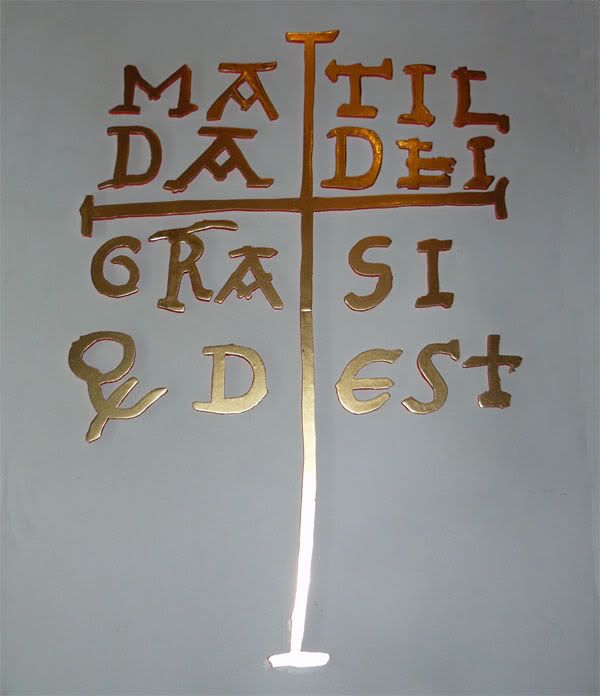
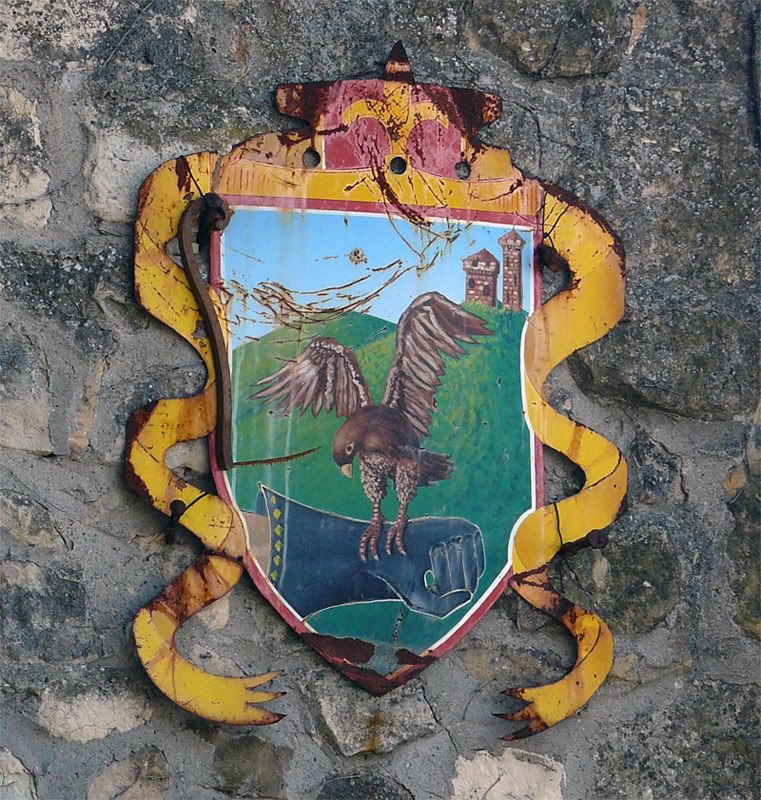
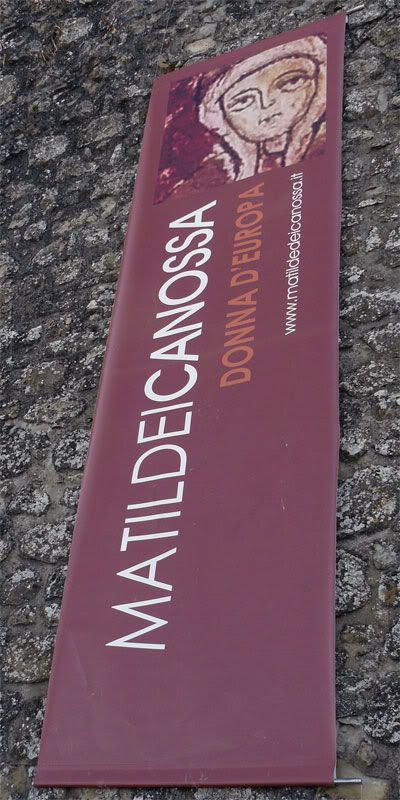
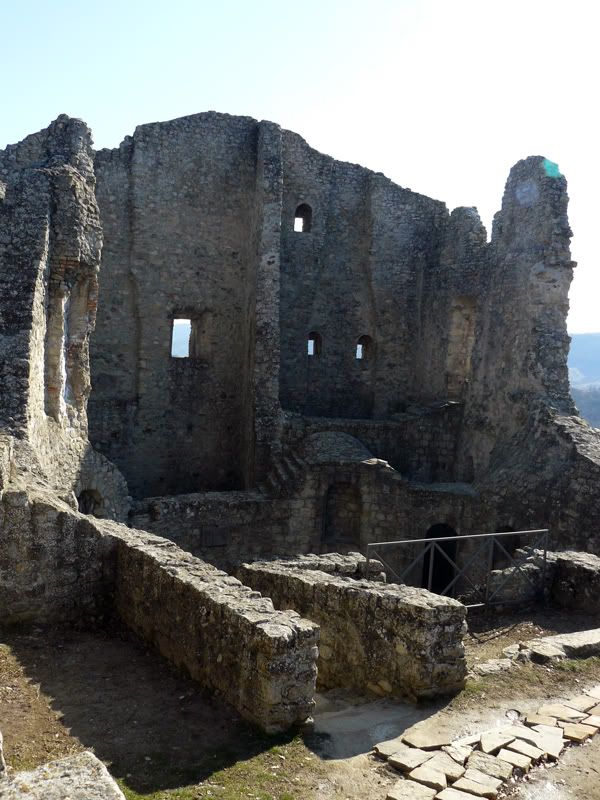
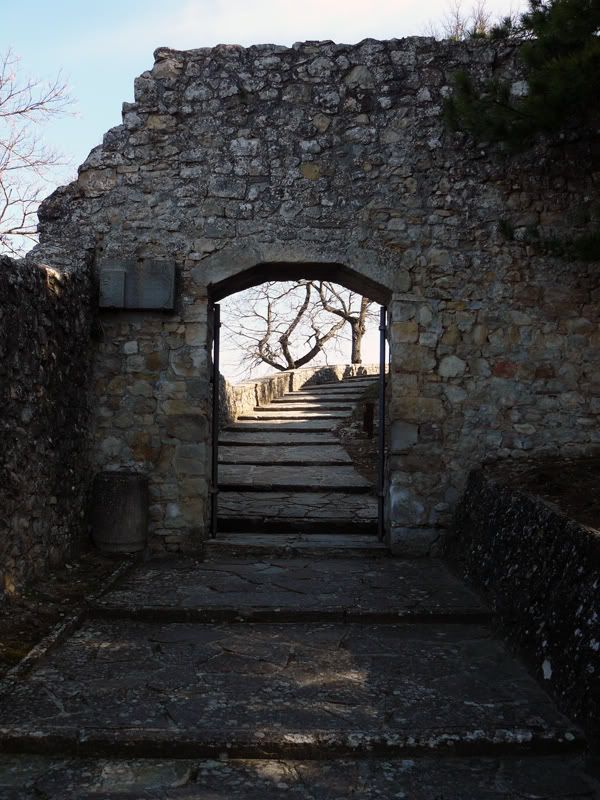
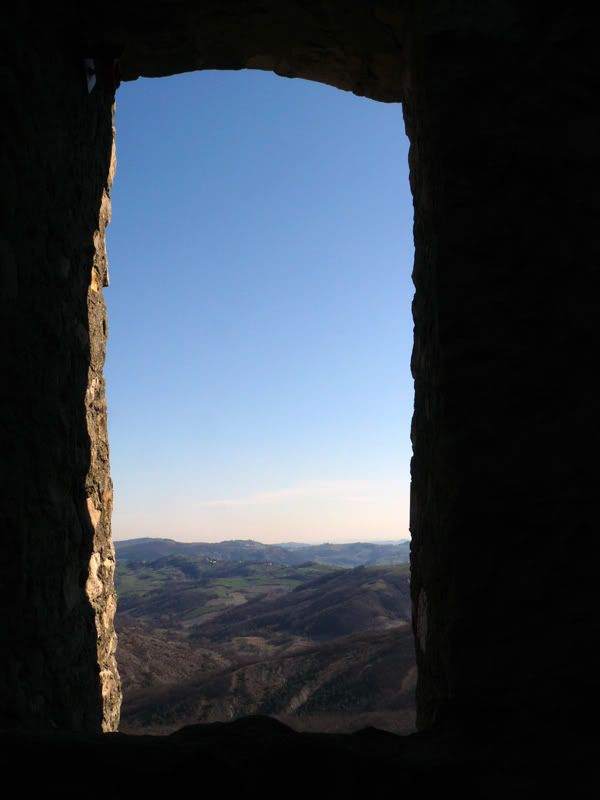
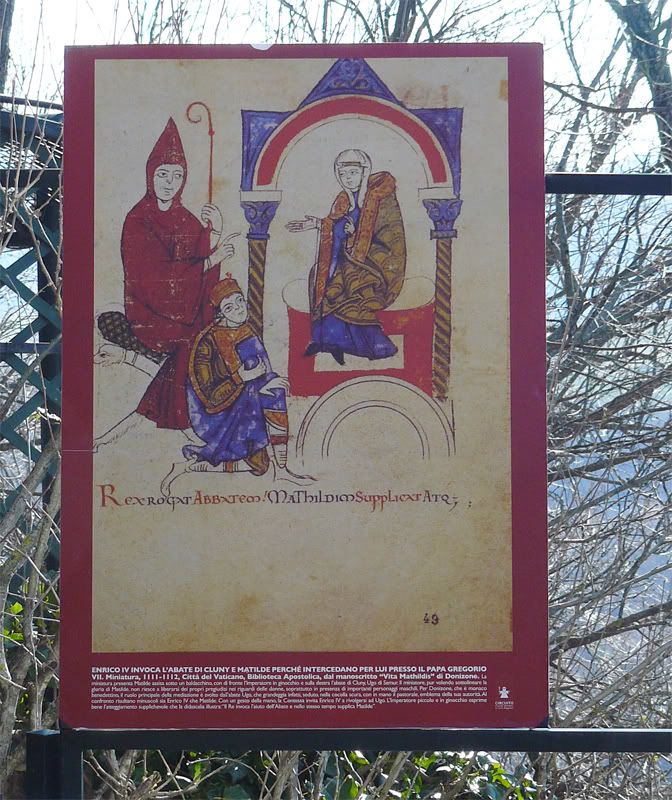
        The first trip was to the remains of the castle of Countess Matilde, especially known as the seat of the Walk of Canossa, the meeting of Emperor Henry IV and Pope Gregory VII during the Investiture Controversy (1077).


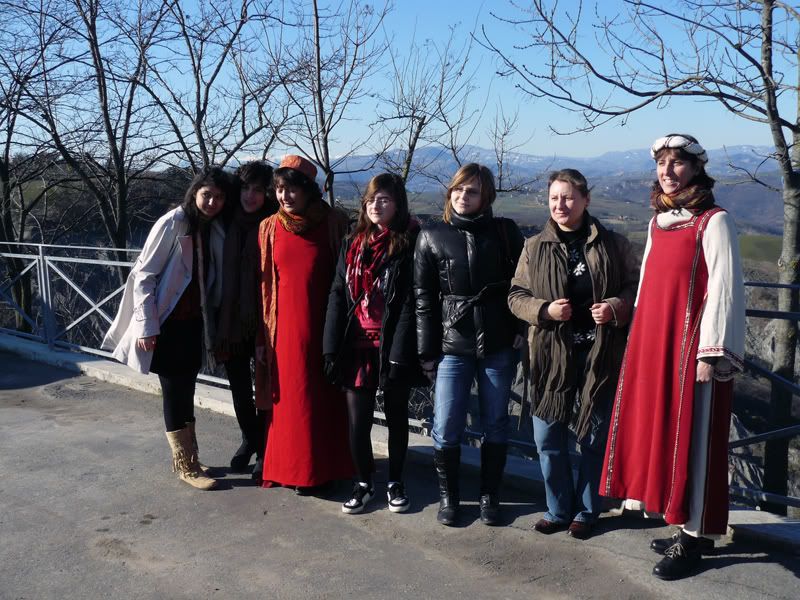
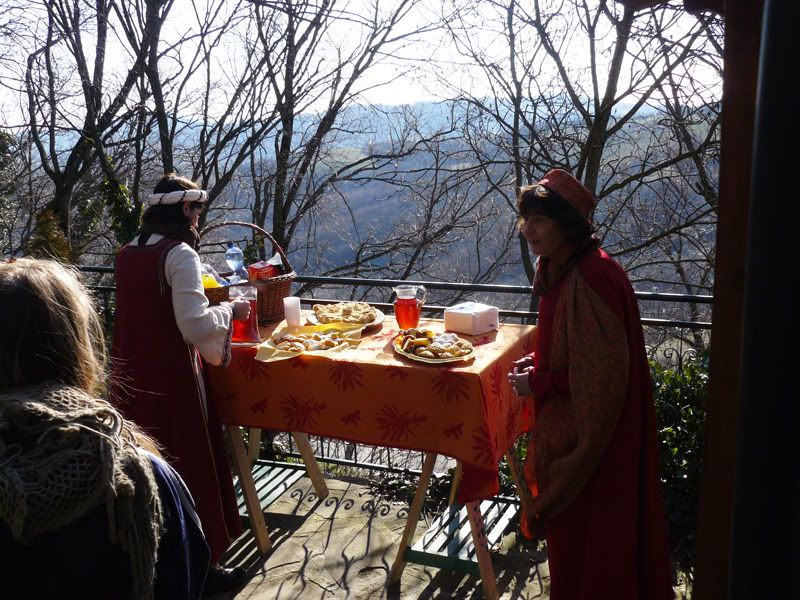
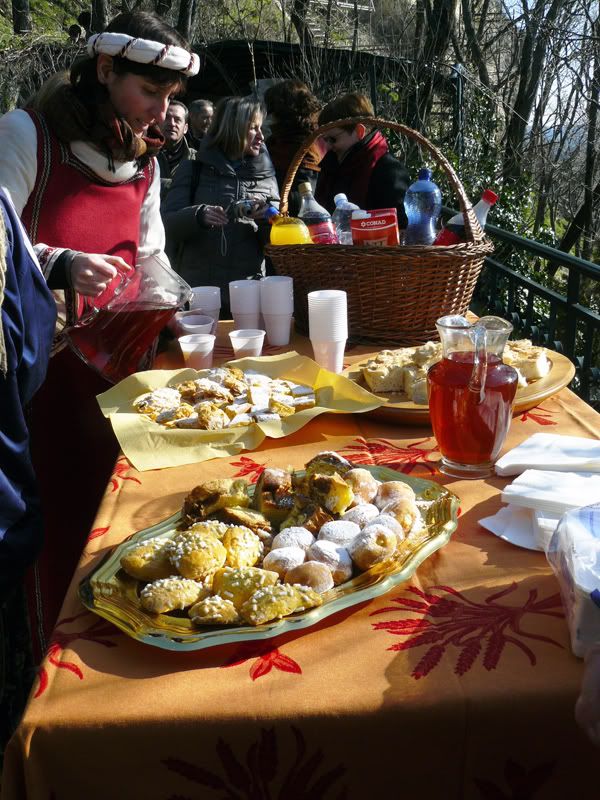
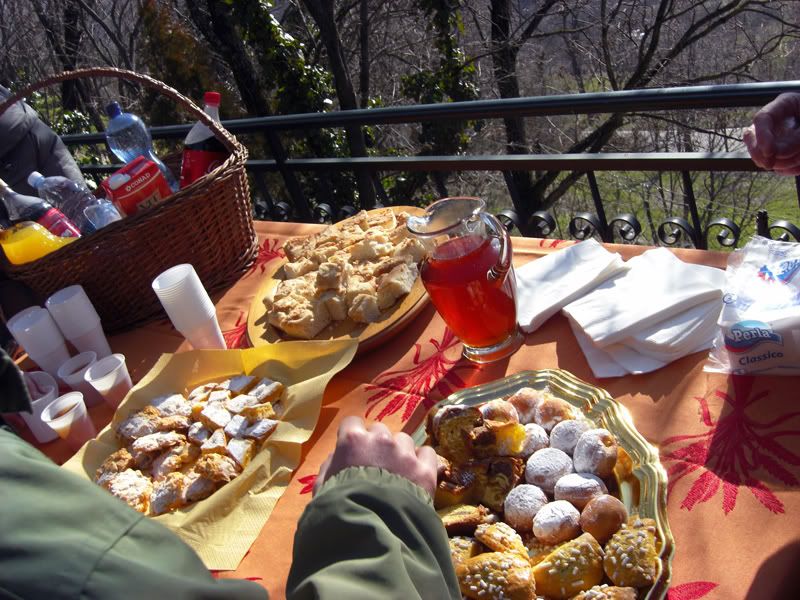
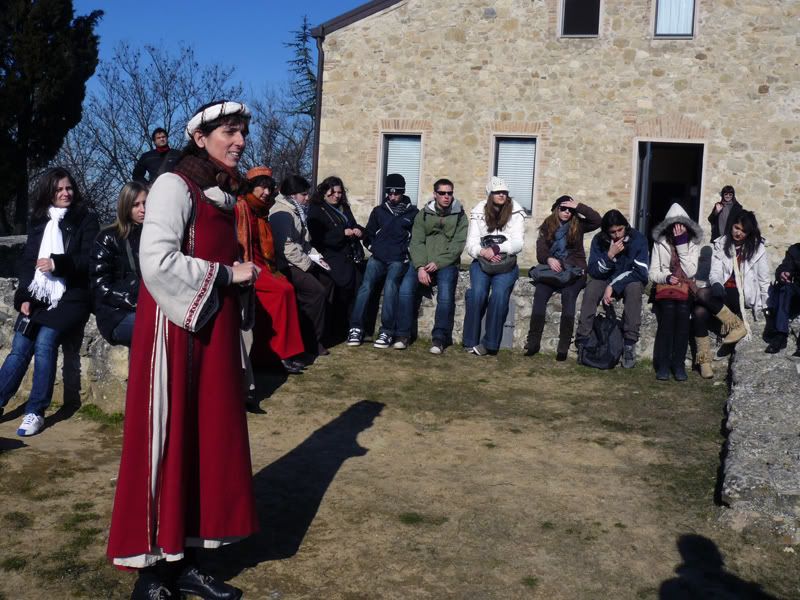
        We were very impressed by the „medieval” welcome that was organised for us. Two ladies dressed in epochal clothing took many pictures with us and served us with tea and cookies.


        Then a gentleman told us the story of Matilde and lead us to visit the remains.


        We learned that the castle was built around 940 by Adalberto Atto, son of Sigifredo of Lucca, a Lombard prince, on the summit of a rocky hill. Apart from Adalberto's residence, it included a convent with 12 Benedictine monks and the church of Saint Apollonio. It was protected by a triple line of walls; between the two lower lines were the barracks and the residence of the servants. During the Middle Ages, it was one of the most impregnable castles in Italy. In 1878 the Castle was acquired by the Italian State, and was declared a national monument.

        The church of Saint Apollonio within the walls, contemporary of the castle, was also destroyed, only the christening font remains, preserved in the national museum "Naborre Campanini" next to the remains of the wall. The Walk to Canossa refers to both the trek itself of Henry IV of the Holy Roman Empire from Speyer to the fortress at Canossa in Emilia Romagna and to the events surrounding his journey. These events took place in and around January 1077.

        When Henry reached Canossa, the Pope ordered that he be refused entry. According to the first-hand accounts of the scene (letters written by both Gregory and Henry in the following years), Henry waited by the gate for three full days. On 28 January the gates were opened for Henry and he was allowed to enter the fortress. Contemporary accounts report that he knelt before Pope Gregory and begged his forgiveness. Gregory absolved Henry and invited him back into the Church. That evening, Gregory, Henry, and Mathilda shared communion in the Cathedral of Saint Nicholas inside the fortress, signaling the official end of Henry's excommunication.


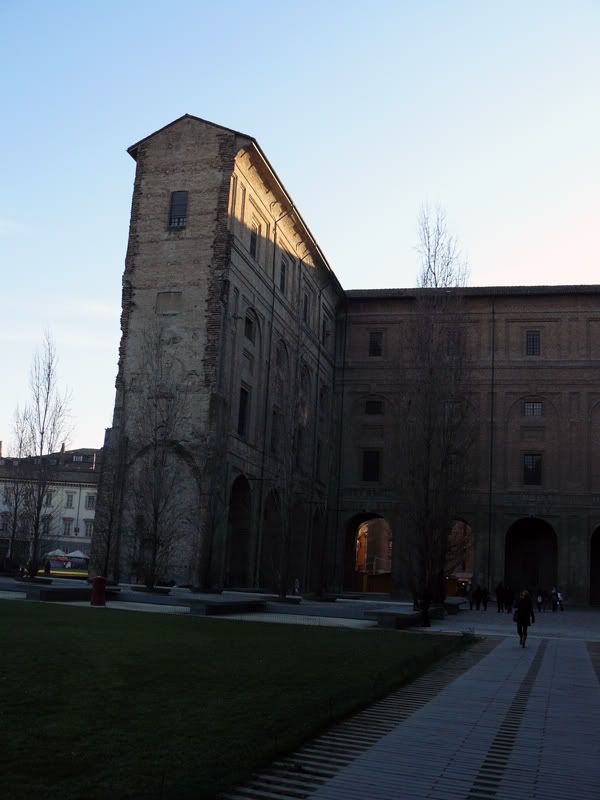
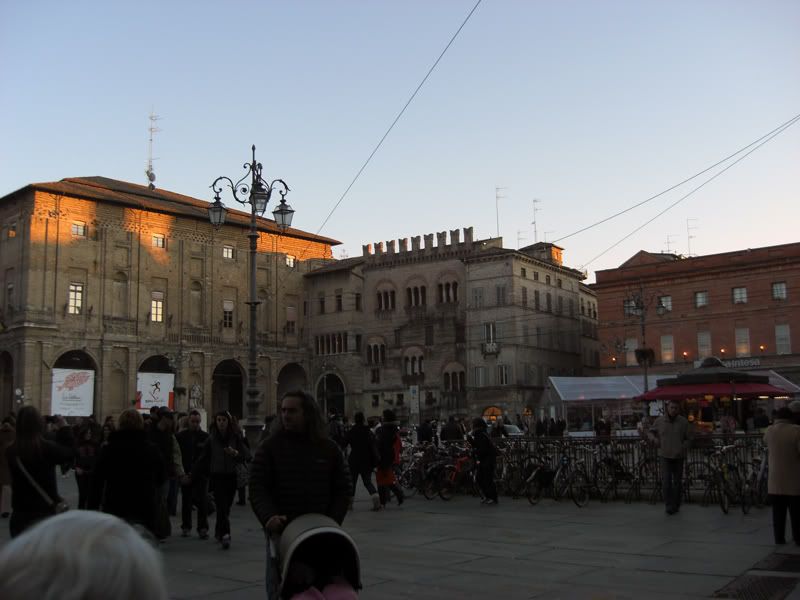
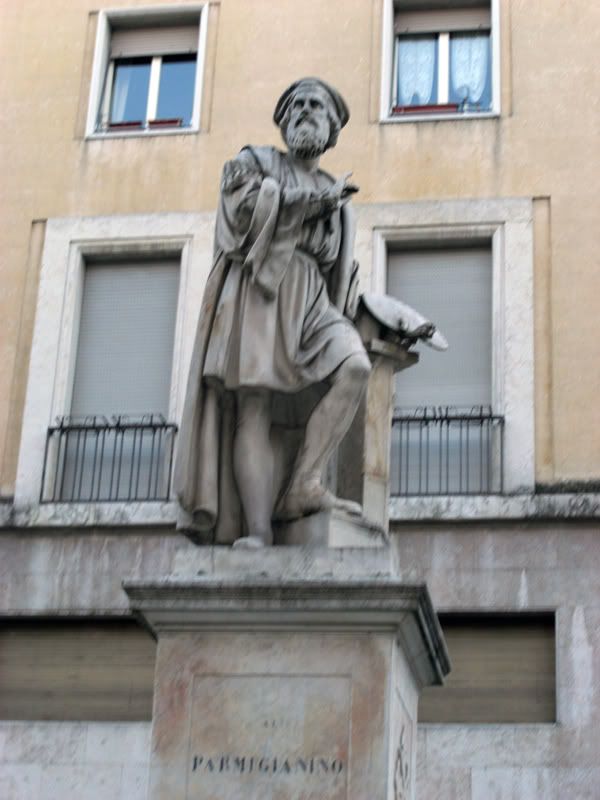
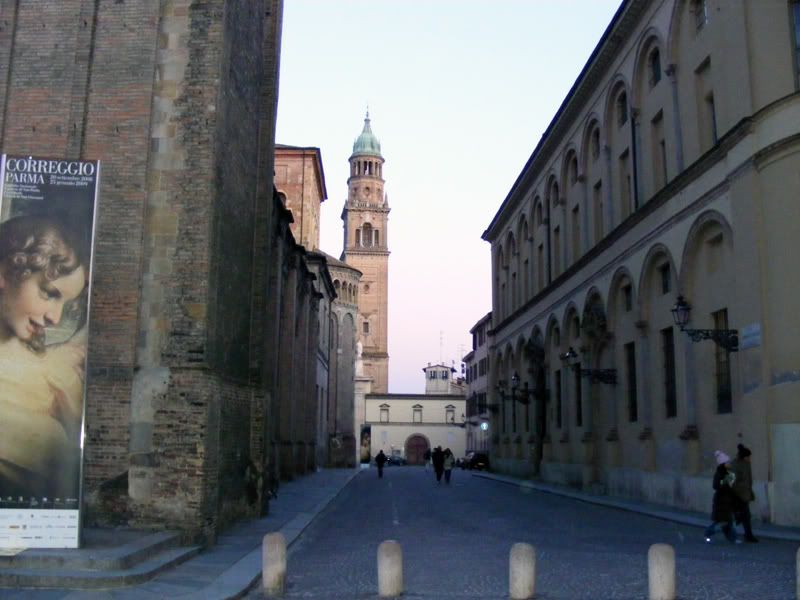
        Another city that we visited is Parma, famous for its architecture and the fine countryside around it. Parma is divided into two parts by the little stream with the same name. Parma takes its name from the roman round shield called Parma. In the historical centre of Parma lies The Palazzo della Pilotta built around 1583, a complex of edifices, its name deriving from the game of pelota. The existing complex includes three courts: the Cortile di San Pietro Martire (now best known as Cortile della Pilotta), Cortile del Guazzatoio (originally della pelota) and the Cortile della Racchetta. The Pilotta was to house a large hall, later turned into the Farnese Theatre, the stables and the grooms' residences, the Academy Hall and other rooms.


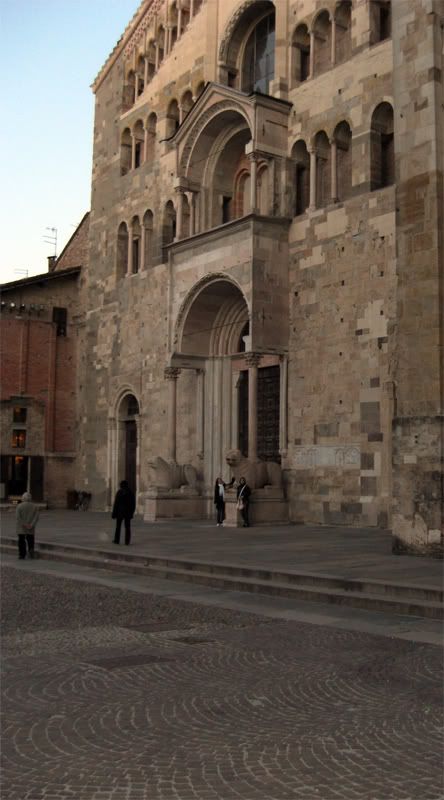
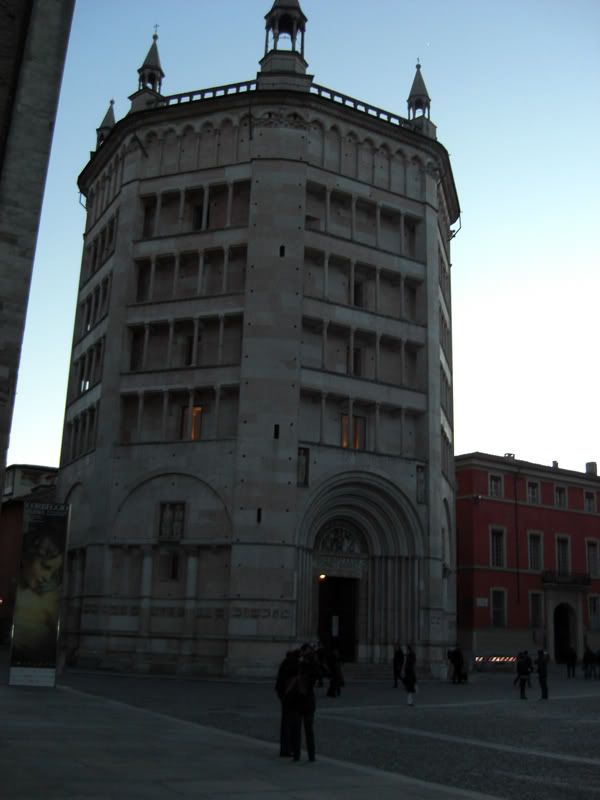
        We also had the opportunity to visit Parma Cathedral (Duomo), an important Italian Romanesque cathedral. The construction was begun in 1059 by bishop Cadalo, later antipope with the name of Honorius II, and was consecrated by Paschal II in 1116. A basilica existed probably in the 6th century, but was later abandoned; another church had been consecrated in the rear part of the preceding one in the 9th century by the count-bishop Guibodo. The new church was heavily damaged by an earthquake in 1117 and had to be restored. Of the original building, remains can be seen in the presbytery, the transept, the choir and the apses, and in some sculpture fragments. The wide façade was completed in 1178: it has three loggia floors and three portals, whose doors were sculpted by Luchino Bianchino in 1494. The Gothic belfry was added later, in 1284-1294: a twin construction on the left side had been conceived, but it was never begun. Beside the Cathedral lies the octagonal Baptistery of Parma, considered to be a transition between Romanesque and Gothic architecture, and is one of the most important Medieval monuments in Europe. The Baptistery was commissioned to Benedetto Antelami by the City Council of Parma in 1196. The outside of pink Verona Marble is octagonal. The inside contains sixteen arches, forming alcoves each containing a painted scene. All these are 13th and 14th century frescoes and paintings. The most striking part of the Baptistery, however, is its painted ceiling. Sixteen rays come out of the center of the ceiling, which each correspond to the arches. However, problems were posed over time as the paintings were not true frescoes. The paint would start to come of the walls and would be literally hanging on. Due to this, the Baptistery had to be painstakingly consolidated and restored with syringes and spatulas.


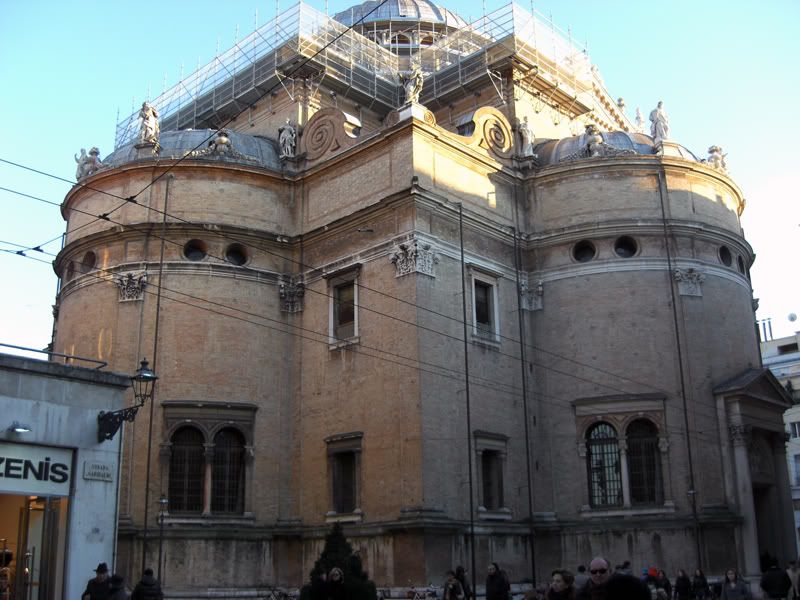
        The Sanctuary of Santa Maria della Steccata is a Greek-cross design Renaissance church in central Parma, Italy. By 1392, the site held a small oratory to shelter a miraculous image of St. John the Baptist and was neighboring a religious confraternity that had an equally miraculous image of the Virgin and child on the facade. The popularity of the icons led to the construction, starting in 1521 and using plan by Bernardino and Giovanni Francisco Zaccagni with modifications by Giovan Francisco d' Agrate. The church was finally consecrated in 1539. The sacristy was rebuilt over the following centuries. The interior was decorated by prominent artists, both local and foreign to Parma. In the crypt are the tombs of twenty-six members of the Farnese family including Alexander Farnese, Duke of Parma and his wife Infanta Maria of Portugal. In a niche is a crystal urn containing the heart of Charles III, Duke of Parma.

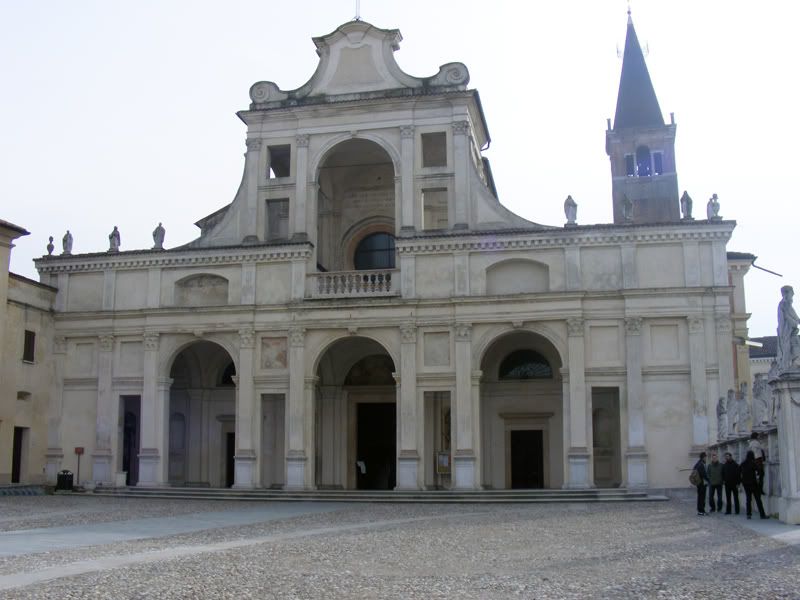
        The abbey church of Saint John the Evangelist (San Giovanni Evangelista), was originally constructed in the 10th century behind the Cathedral's apse, but had to be rebuilt in 1498 and 1510 after a fire. It has Baroque facade and bell tower (most likely designed by Giovanni Battista Magnani), with a Latin cross plan, a nave and two aisles. In 1520–1522, Correggio frescoed the dome with the Vision of St. John the Evangelist, a highly influential fresco which heralded illustionistic perspective in the decoration of church ceilings. Bernardo Falconi designed a putto in the high altar. Also the cloisters and the ancient Benedictine grocery are noteworthy. The library has books from the 15th and 16th centuries.

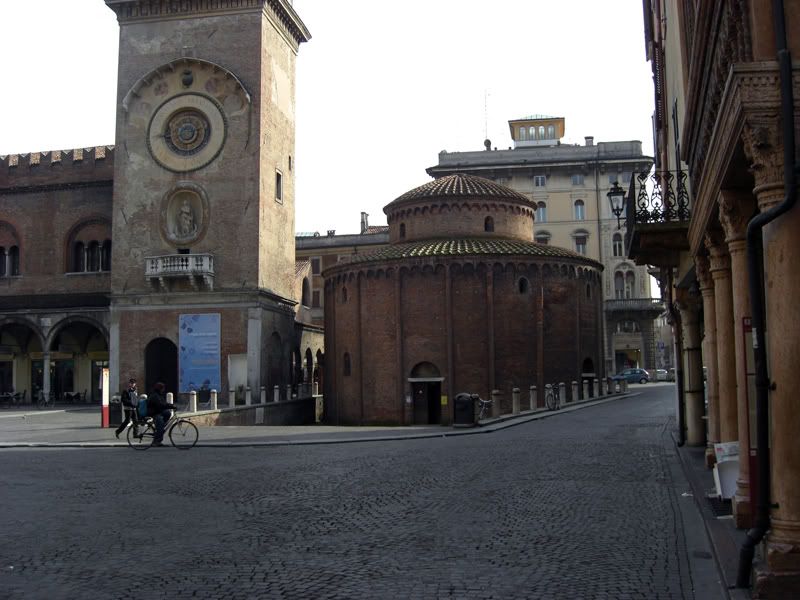
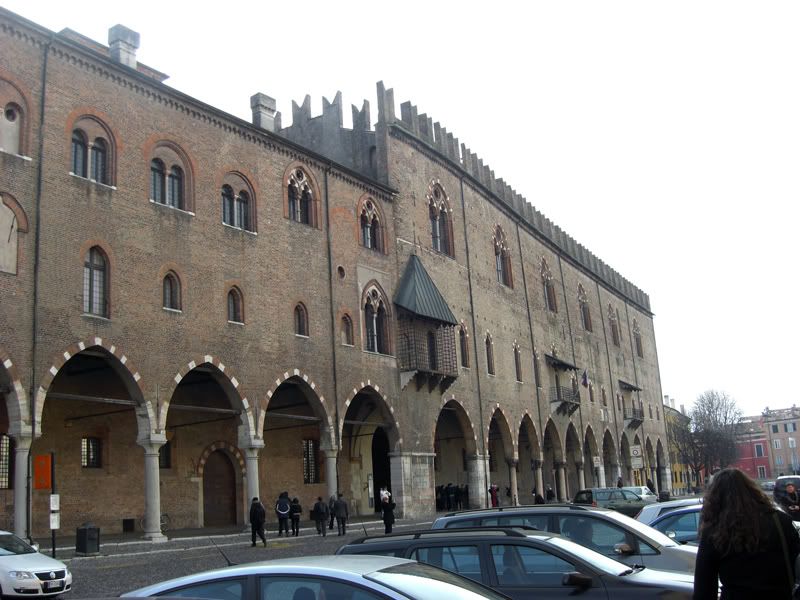
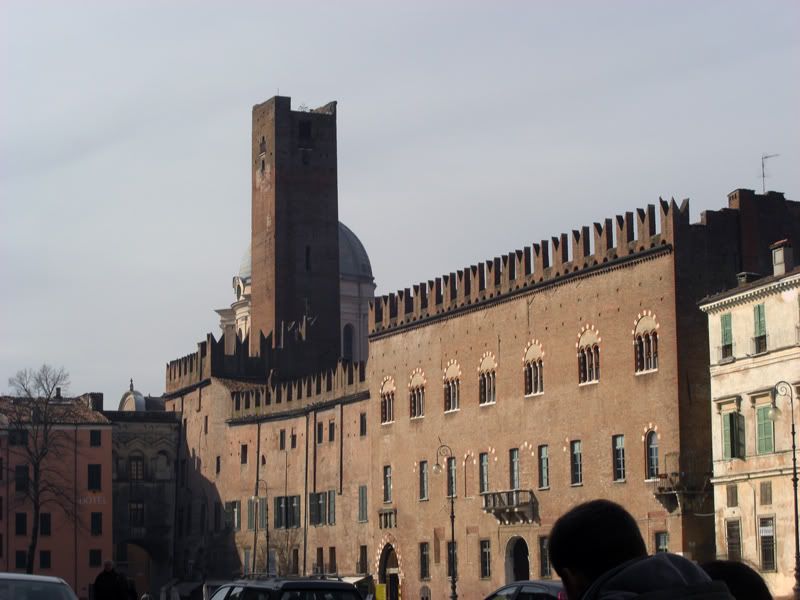
        Our next trip was to the city of Mantua or Mantova, founded, probably around 2000 BC, on the banks of the Mincio, on a sort of island which provided natural protection.


        The name derives from the Etruscan god Mantus, of Hades. The first duke of Mantova was Federico II Gonzaga, who acquired the title from Emperor Charles V in 1530.


        Federico commissioned Giulio Romano to build the famous Palazzo Te, on the periphery of the city, and profoundly improved the urbanistic asset of the city.

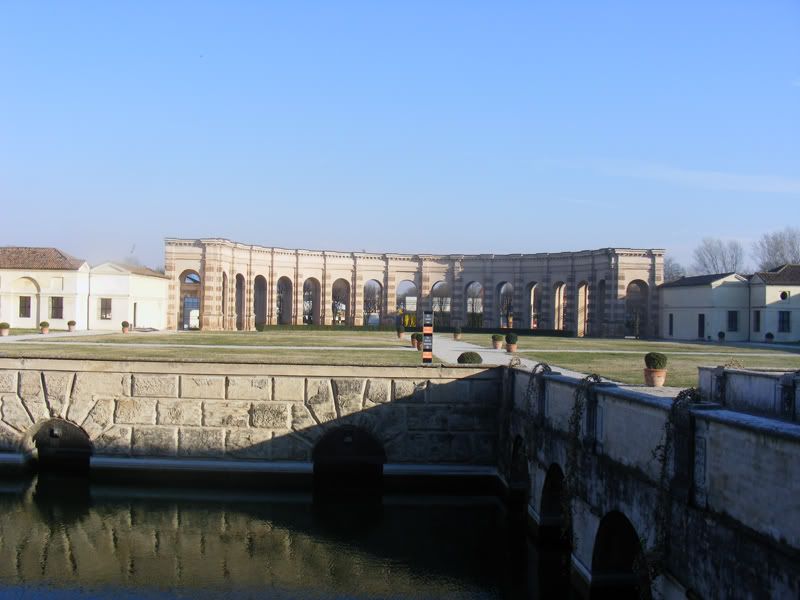
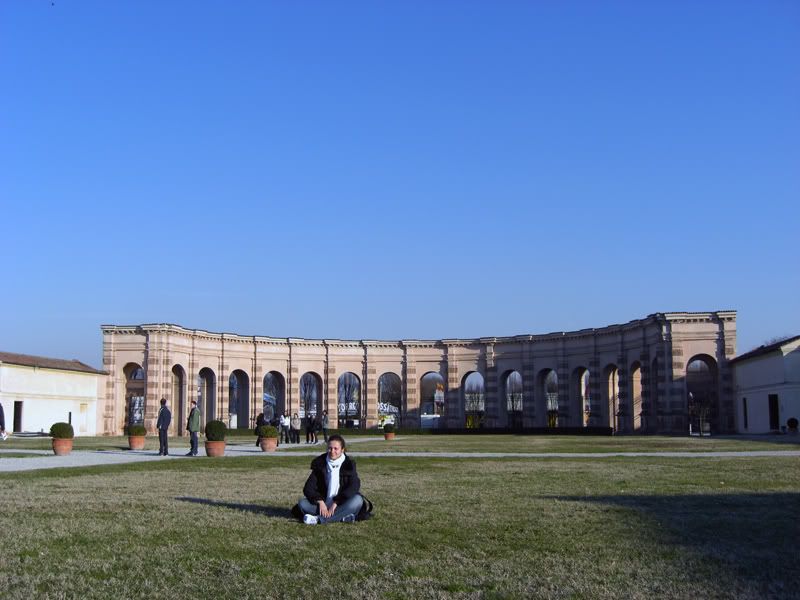
        Palazzo del Te is a simple square building, constructed 1524-153. The shell of the palace was erected within 18 months. It is basically a square house built around a cloistered courtyard. A formal garden complemented the house. This was enclosed by colonnaded outbuildings terminated by a semi-circular colonnade known as the "Esedra". Once the shell of the building was completed, for ten years a team of plasterers, carvers and fresco painters labored, until barely a surface in any of the loggias or salons remained undecorated. Under Giulio Romano's direction, local decorative painters such as Benedetto Pagni and Rinaldo Mantovano worked extensively on the frescos. These frescoes remain today and are the most remarkable feature of the Palazzo. The subjects range from Olympian banquets in the Sala di Psiche and stylized horses in the Sala dei Cavalli to the most unusual of all — giants and grotesques wreaking havoc, fury and ruin around the walls of the Sala dei Giganti.


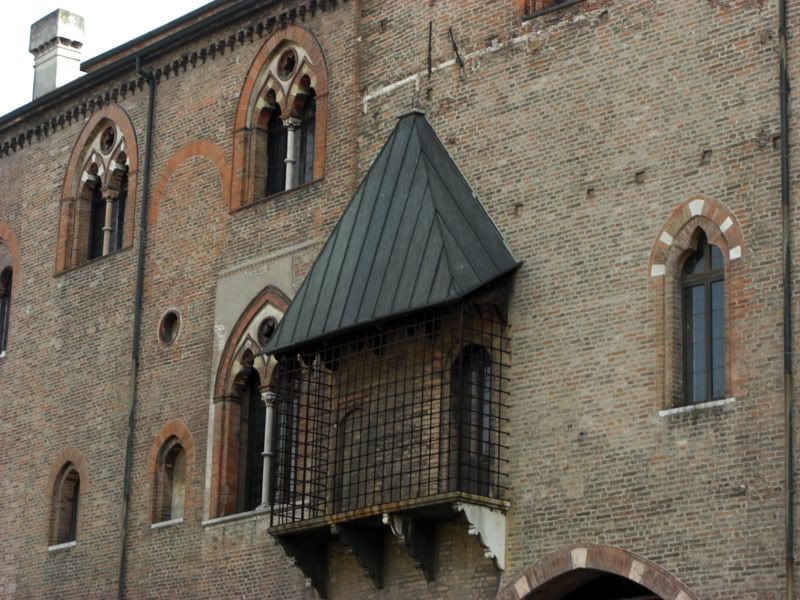
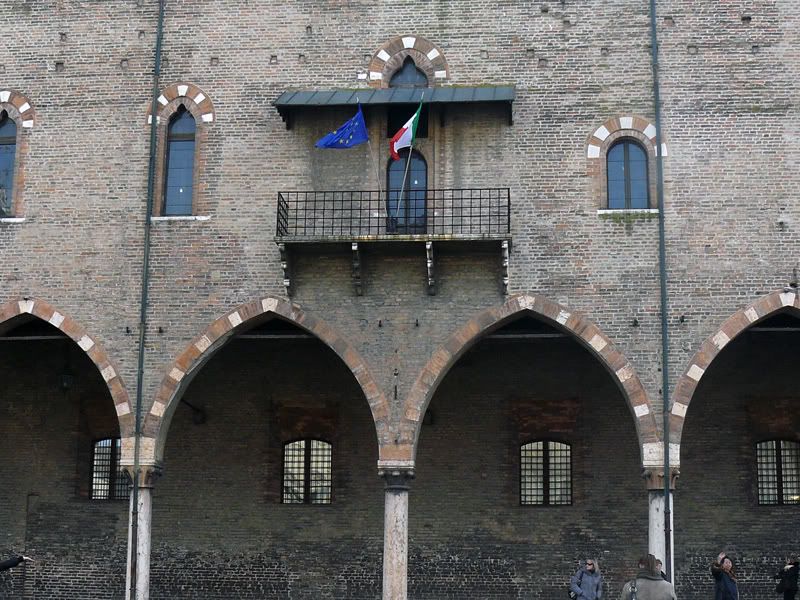
        The Palazzo Ducale di Mantova ("Ducal Palace") is a group of buildings built between the 14th and the 17th century mainly by the noble family of Gonzaga as their royal residence in the capital of their Duchy.


        The buildings are connected by corridors and galleries and are enriched by inner courts and wide gardens. The complex includes some 500 rooms and occupies an area of 34 000 m². Although most famous for Mantegna's frescos in the Camera degli Sposi (Wedding Room), they have many other very significant architectural and painted elements. The most ancient parts of the palace are the Palazzo del Capitano, built in the early 14th century by the Captain of the People Guido Buonacolsi (whose family ruled Mantua from 1271 to 1328) and the Magna Domus.


        The Gonzaga lived in the palace from 1328 to 1707, when the dynasty extinguished. Subsequently the edifices saw a sharp decline, which was halted in the 20th century with a continue process of restoration and the destination of the area as museum.


        We didn’t have to go far because there were many things to see even in the city of Reggio Emilia where we stayed for a week. Taking long walks we discovered the beauty of the city, rich in historical monuments.


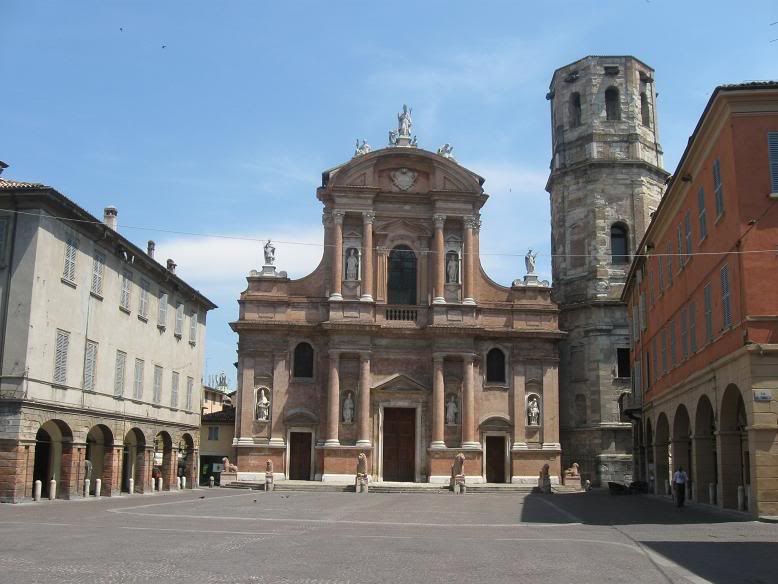
        For example, the Basilica di San Prospero, built in the 10th century and dedicated to Prosper of Reggio, a bishop of the city, it was reconstructed by Luca Corti and Matteo Fiorentini between 1514 and 1523. The façade, with eleven statues of saints and patrones, was redesigned by Giovan Battista Cattani in mid-18th century. It includes a pleasant belfry/tower, begun in 1535 and never quite finished, with an octagonal plant. The interior of the church has a Latin cross plant, with three naves. The apse houses the splendid Last Judgement, frescoed by the Bolognese artist Camillo Procaccini. Also noteworthy are the wood choir from 1546 and the Assumption altarpiece by Tommaso Laureti and Ludovico Carracci (1602). The church of St. Peter, designed by Giulio della Torre and built in 1625-1629 has an interior in Latin cross shape with a single nave. It houses notable Baroque paintings by Tiarini, Pietro Desani, Luca da Reggio, Camillo Gavasetti and Paolo Emilio Besenzi.

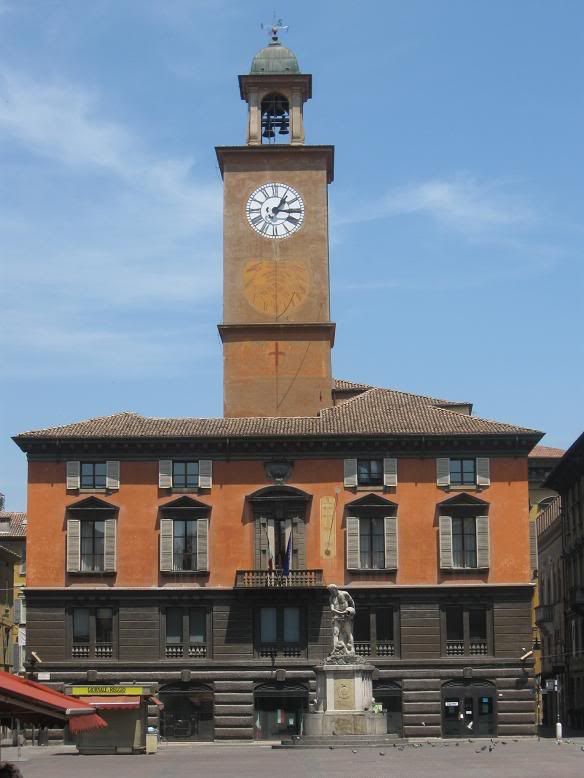
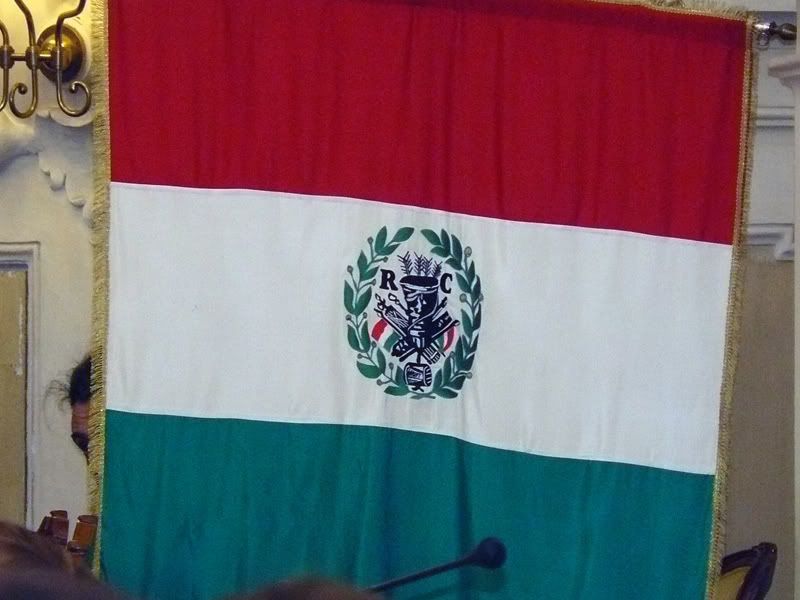
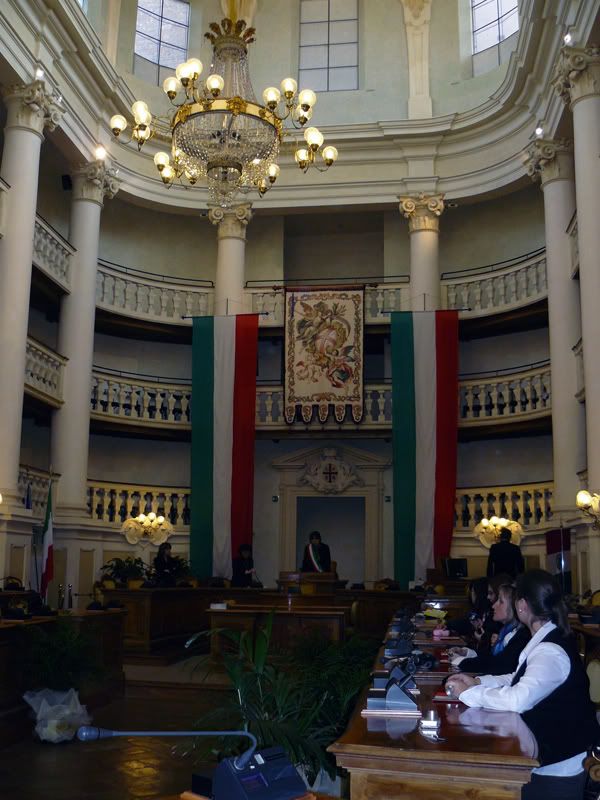
        We also visited Palazzo Comunale (begun in 1414), with the Tricolore's Room and the Museum of the Italian Flag.


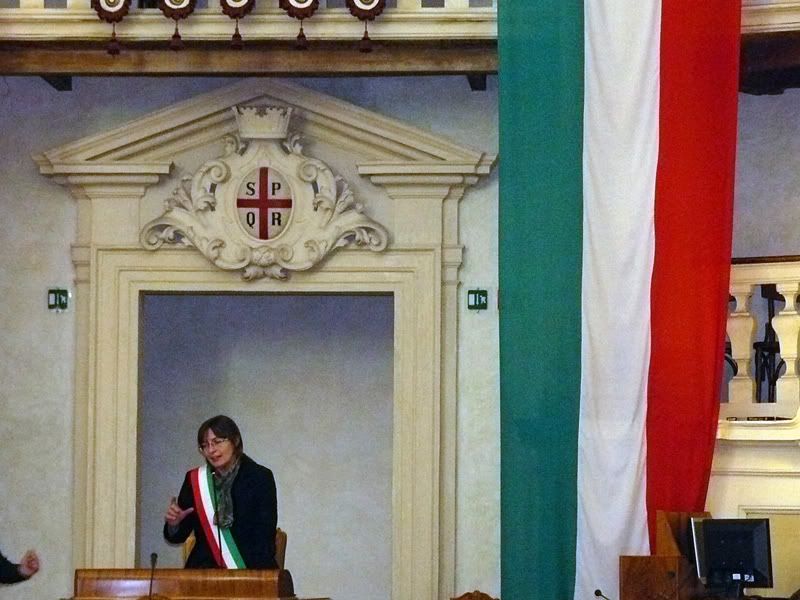
        The "Room of the Tricolor" is currently the council chamber of the Reggio Emilia comune. Designed, by the architect Lodovico Bolognini, to be the archive of the ducal family of Este, it is mostly known in connection with the creation of the Italian tricolor, from which it takes its name.


        This room in fact, on December 27, 1796, hosted the congress of delegates from Reggio, Modena, Bologna and Ferrara who, after proclaiming the Repubblica Cispadana, adopted on January 7, 1797 a horizontal tricolor of green, white and red (with red at the top) which is considered the first Italian tricolor.


        Another magnificent building is the Municipal Theater of Reggio Emilia, also called the Municipal Theater Valli of Reggio Emilia, built in neoclassic style between 1852 and 1857. It acquired its present name in the 1980s, when it was named after the actor Romolo Valli. The theater has a rectangular base that measures 80x43,60 meters and covers an area of 3763 square meters. The audience capacity is 1150 people. The concert hall is elliptical and has 106 boxes placed on four tiers plus a regal box and a gallery.


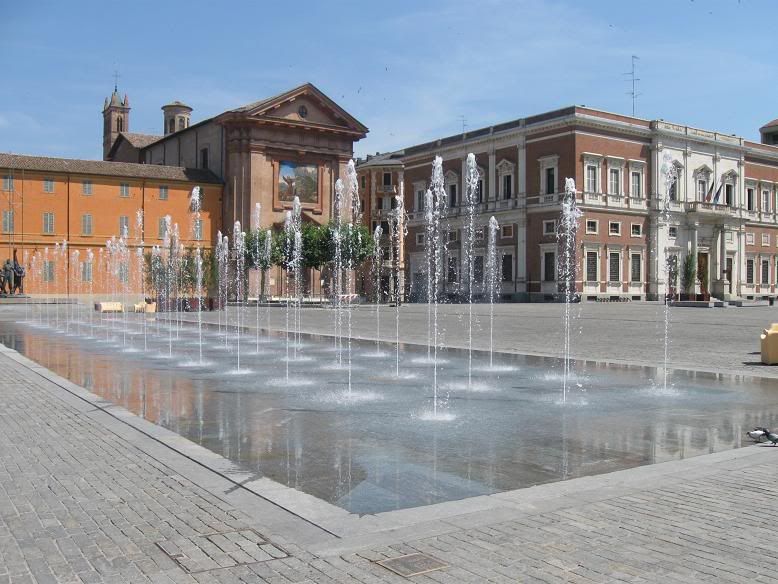
        The outside is composed by 12 Tuscan columns made of granite on the ground floor while on the first floor it has 13 windows spaced by ionic columns. On top of the building there are statues that represent: Moderation, Reserve, Painting, Sound, Comedy, Caprice, Dance, Joke, Fable, Delight, Education, Labor, Virtue, Drama, Glory, Vice, Tragedy, Remorse, Curiosity, Silence. We were also very impressed by the fountain in the front of the Theater, which is more beautiful in the evening, when it is illuminated.


        I really think that we had a lot to learn from all the experiences in Italy, but I liked best the trips we had to different cities with their churches and castles, an opportunity to learn Italian history and culture through its remains and to put in practice the outdoor education.